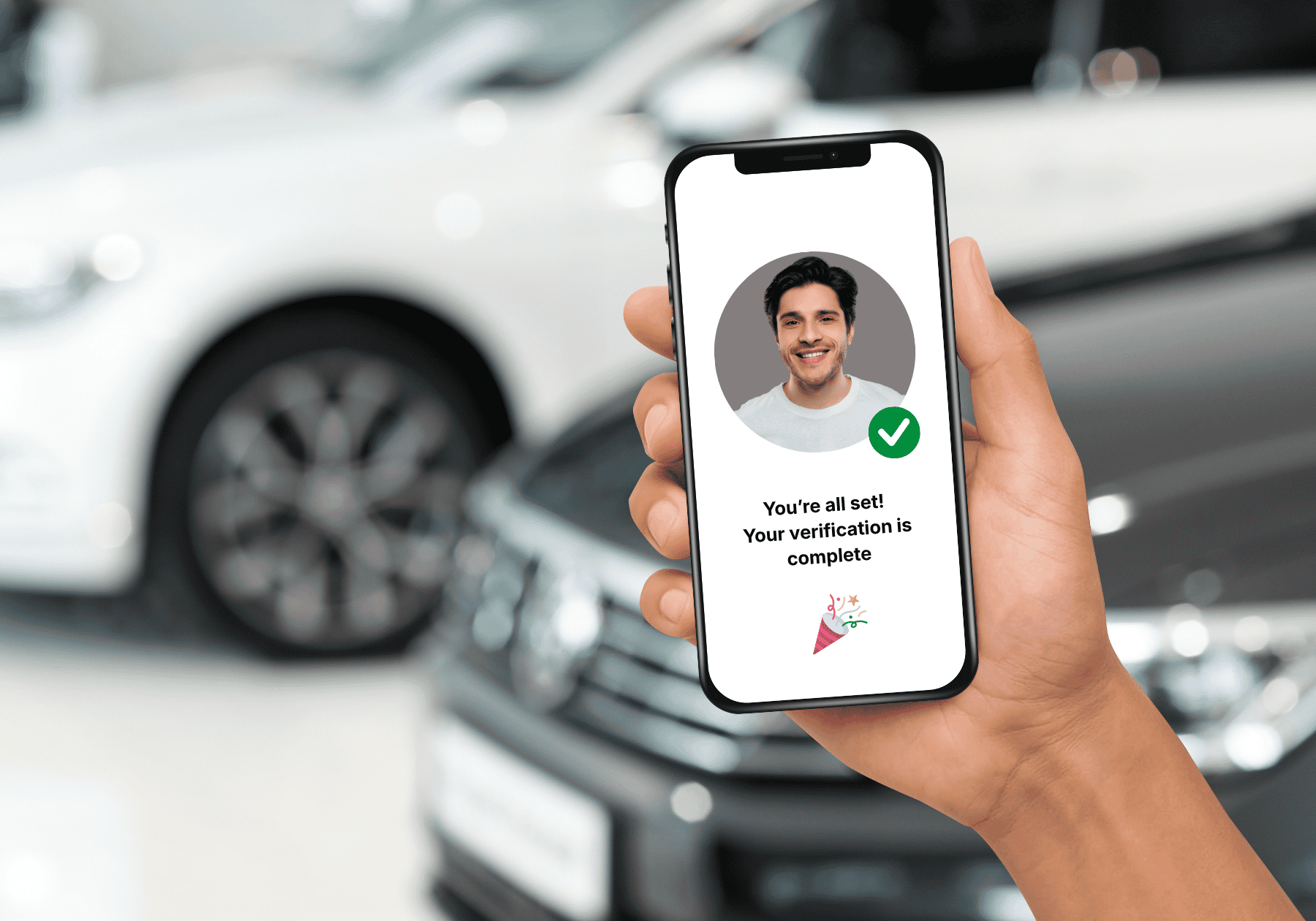
Corporate car sharing is a model where a company provides shared access to vehicles for employees, departments, tenants, residents, or business partners.
Instead of assigning one vehicle to one person, the company creates a shared fleet that can be booked when needed. Employees can reserve a car through an app, use it for a business trip, client meeting, site visit, airport transfer, or daily operational task, and return it according to the company’s rules.
For businesses, this model can be more flexible than traditional company cars. It helps reduce idle vehicles, improve fleet visibility, control usage, and give more people access to mobility without increasing the number of cars. Managers can also track how vehicles are used, review trip routes, and better understand whether rentals are aligned with company mobility policies.
What is corporate car sharing?
Corporate car sharing is a shared vehicle model designed for business use. The fleet can be owned by the company, leased from a provider, operated by a mobility company, or managed as part of a wider corporate mobility program. The main difference from public carsharing is that access is usually limited to a defined group of users.
This group may include employees, specific departments, office tenants, residential community members, hotel guests, university staff, business park employees, corporate clients, or partners. The list is not limited to these examples. Corporate car sharing can be adapted to different user groups depending on the business model.
The company decides who can use the vehicles, where they can be picked up and returned, how bookings work, and which rules apply.
How corporate car sharing works
The basic workflow is similar to public carsharing, but the operating logic is usually more controlled.
A user opens the app, checks which vehicles are available, chooses a suitable car, and starts the rental. In most corporate car sharing setups, access is instant: the user books an available vehicle and starts the trip when needed. Depending on the operating model, companies can also allow scheduled reservations.
The operator or fleet manager can define key rules:
- who can access the fleet
- which vehicles each user group can book
- where rentals can start and end
- how long a booking can last
- whether vehicles are used for business only or mixed business and personal trips
- how pricing, billing, or internal cost allocation works
- which documents or driver checks are required
- what happens after each rental
This gives companies more control than a simple pool of car keys at reception. The entire process can be tracked through the platform, including bookings, vehicle access, trip history, user activity, vehicle status, damage reports, fuel or battery usage, and overall fleet performance.
Why companies use corporate car sharing
Many company fleets are underused. Some cars are assigned to individual employees but spend most of the day parked. Other teams may not have easy access to vehicles when they need them. Fleet managers may have limited visibility into who used which car, when, for what purpose, and in what condition it was returned.
Corporate car sharing helps solve this by turning vehicles into a shared resource.
Instead of increasing the fleet every time demand grows, companies can improve how existing vehicles are used. A smaller but better-managed fleet can often serve more employees, especially when bookings, access, and reporting are handled digitally.
For businesses, the main benefits are:
- better vehicle utilization
- lower dependency on individually assigned company cars
- more transparent fleet usage
- easier access for employees
- fewer manual booking and key handover processes
- better control over vehicle status, location, and availability
- clearer data for fleet planning and cost management
Another important benefit is the digital transfer of vehicles between users. Employees do not need to collect or return keys at reception, and fleet managers do not have to coordinate every handover manually. This can reduce the administrative workload and lower the labor costs connected with daily fleet management.
Who is corporate car sharing for?
Corporate car sharing can work for different types of organizations. It is especially useful when multiple users need access to vehicles, but not every user needs a dedicated car.
For example, the model can be used by companies with internal fleets, business parks, office campuses, residential communities, hotels, serviced apartments, universities, public institutions, and mobility operators serving a closed group of users.
It can also support mobile teams that regularly travel for work, such as pharmaceutical sales representatives, distributors, technical service teams, auditors, consultants, regional managers, or employees visiting clients, branches, warehouses, construction sites, or partner locations.
In each case, the goal is similar: give approved users easy access to vehicles while keeping the fleet controlled, visible, and easier to manage.
Companies with internal fleets
For companies that already manage a fleet, corporate car sharing can make existing vehicles more efficient.
Instead of assigning cars permanently to individual employees or departments, the company can make part of the fleet bookable. This works well for sales teams, field teams, managers, service staff, and employees who need occasional business trips.
The main advantage is that the same fleet can serve more people without automatically adding more vehicles. Employees who do not need a dedicated company car can still access a vehicle when their work requires it.
This is especially useful for companies where mobility demand changes during the week. Some teams may need cars only for client visits, site inspections, supplier meetings, or trips between office locations. With a shared booking model, vehicles can be used based on actual demand rather than fixed assignments.
Business parks and office campuses
Corporate car sharing can also work in business parks, office campuses, and large corporate locations.
Several companies or departments can share access to vehicles located on site. This can be useful for meetings, client visits, airport trips, or travel between offices.
For the location owner, a shared fleet can become an added service for tenants and employees.
Residential communities and real estate projects
Corporate-style car sharing is not limited to offices.
Residential complexes, apartment buildings, and mixed-use developments can offer shared vehicles to residents as an alternative to private car ownership. This model is especially relevant in urban areas where parking is limited or expensive, and where residents may not need a car every day but still want access to one when necessary.
For real estate developers and property managers, shared vehicles can become part of the building’s mobility offer. In some markets, residential carsharing is also connected to wider urban planning trends, such as reduced parking requirements, mobility hubs, and lower car dependency in new developments.
Examples already exist in different markets. In Barcelona, the Vila Bonaplata residential development introduced electric carsharing for residents as part of its building services. In Badalona, the Marobert residential project also added a shared electric vehicle for residents. Similar concepts are being tested in other European cities, including closed-group residential carsharing in apartment buildings and shared mobility services connected to residential mobility hubs.
The model can help make a residential project more attractive for tenants or buyers while reducing pressure on parking space. It also gives residents a practical mobility option directly connected to where they live.
Hotels and serviced apartments
Hotels, resorts, and serviced apartment operators can use car sharing to give guests flexible access to vehicles without running a traditional rental desk.
Guests can book a car through an app, use it for local trips, and return it to the hotel or defined parking area. This model can be useful for longer-stay guests, business travelers, resorts, and locations where public transport or taxis are not always convenient.
The trend is already visible in different markets. EV Mobility positions electric carsharing as an amenity for hotels, apartments, and office buildings, allowing guests or residents to reserve, unlock, and use vehicles located directly at the property. Envoy Hawaii offers hotel and resort guests access to electric vehicles through a carsharing app. In Spain, Activacar has developed hotel-based electric carsharing projects, including services connected to Meliá Costa del Sol and Anantara Villa Padierna Palace.
For hospitality operators, car sharing can become an additional guest service rather than a separate rental business. It gives guests more independence during their stay, creates a more complete mobility offer, and can help hotels reduce manual coordination around local transport requests.
Universities and public institutions
Universities, municipalities, hospitals, and public institutions often have vehicles used by different departments.
In some cases, the same approach can also apply to lighter vehicles, such as e-scooters, e-bikes, or mopeds. On large campuses, hospital complexes, municipal areas, or industrial sites, these vehicles can be used for short internal trips, maintenance tasks, security rounds, or movement between buildings.
This makes corporate car sharing part of a wider shared mobility model. The goal is not always to replace cars, but to choose the right vehicle for each type of internal trip.
Corporate car sharing vs traditional company cars
Traditional company cars are usually assigned to specific employees. This can be convenient, but it can also create low utilization and high fixed costs.
Corporate car sharing works differently. The vehicle is not tied to one person. It is part of a shared fleet that can be booked by approved users.
This changes the fleet logic. A company car model answers the question: “Who gets a car?” A corporate car sharing model answers a different question: “Who needs access to a car, when, and for what purpose?”
Some companies already use shared pool cars, but the process is often manual. Employees may need to request a vehicle, collect keys, fill in paper or spreadsheet journals, record mileage, check the vehicle condition before and after the trip, and return the car through a reception desk or fleet manager.
Corporate car sharing moves this workflow into a digital system. Bookings, access, trip history, vehicle status, photos, and responsibility after each rental can be managed through the platform instead of separate manual steps.
This makes the model more flexible. It allows companies to provide mobility without automatically increasing the number of vehicles.
Corporate car sharing vs public carsharing
Corporate car sharing uses the same basic logic as public carsharing, but the service is designed for a defined user group rather than the general public.
Access may be limited to employees, tenants, residents, guests, or approved partners. This makes the model suitable for organizations that need shared vehicles with private access and internal control.
What companies need to manage
A corporate car sharing service is not only about giving employees access to vehicles. The company also needs to define how the fleet will operate in practice.
This includes who can use the cars, how bookings are organized, where vehicles can be picked up and returned, how business and personal trips are separated, and who is responsible for the vehicle after each rental.
These rules are important because corporate fleets usually involve different users, departments, locations, and purposes. Without a clear system, shared vehicles can quickly become difficult to coordinate and control.
Why software is important for corporate car sharing
Corporate car sharing needs a clear digital workflow. Users need to see which vehicles are available, book a car, access it, complete the rental, and report any issues. Managers need to see how the fleet is used, which vehicles need attention, and whether the service is working efficiently.
Good car sharing software helps companies manage:
- user groups and access rights
- vehicle booking and availability
- tariffs or internal cost allocation
- vehicle location and status
- rental history
- damage reports and photos
- fuel or battery information
- zones and parking rules
- maintenance workflows
- reporting and fleet analytics
This gives companies more control over daily operations and better data for long-term fleet decisions.
How CT Mobility supports corporate car sharing
CT Mobility helps businesses launch and manage shared vehicle services with a white-label platform for carsharing and other shared mobility models.
For corporate car sharing, the platform can support user access, vehicle booking, fleet management, maps, vehicle statuses, zones, tariffs, rental workflows, alerts, reports, and operational processes.
A separate B2B cabinet allows company managers to manage employees, assign booking rules, set budgets, and limit vehicle usage by time, for example to working hours only.
This allows companies to manage shared vehicles in one system instead of relying on manual bookings, key handovers, and scattered communication.
CT Mobility can support different corporate car sharing models, including internal company fleets, business park mobility, residential car sharing, hotel fleets, and mixed-use mobility services.
For companies that already operate shared mobility services, CT Mobility can also support multi-vehicle fleets, including cars, scooters, mopeds, bikes, e-bikes, and other shared vehicles.
What to prepare before launching corporate car sharing
Before launching a corporate car sharing service, companies should define the operating model clearly.
Important questions include:
- Who will be allowed to use the vehicles?
- Will the service be for business trips only or also for personal use?
- Where will vehicles be parked?
- Can users start and end rentals anywhere or only in defined zones?
- How will bookings be approved or limited?
- Who is responsible for cleaning, refueling, charging, and maintenance?
- What happens if damage is reported?
- How will costs be tracked or allocated internally?
- What reports does the company need?
- Will the fleet include only cars or other vehicle types later?
These decisions affect the software setup, operational workflow, and user experience.
The takeaway
Corporate car sharing is not just an alternative to traditional company cars - it is a way to organize business mobility around actual demand.
Instead of managing vehicles through fixed assignments, manual handovers, and disconnected processes, companies can build a shared fleet with clear access rules, digital bookings, usage limits, and operational control.
For companies, real estate projects, hotels, campuses, and mobility operators, the value is practical: fewer idle vehicles, less manual administration, clearer responsibility, and a fleet that can serve more users without becoming harder to manage.
Launch your vehicle sharing app in just 15 days with CT Mobility!
No setup fees. Unlimited features.
Free trial period.



.png)